Emergency Landscape Cleanup: What to Do After Storms, Snow, or Flooding
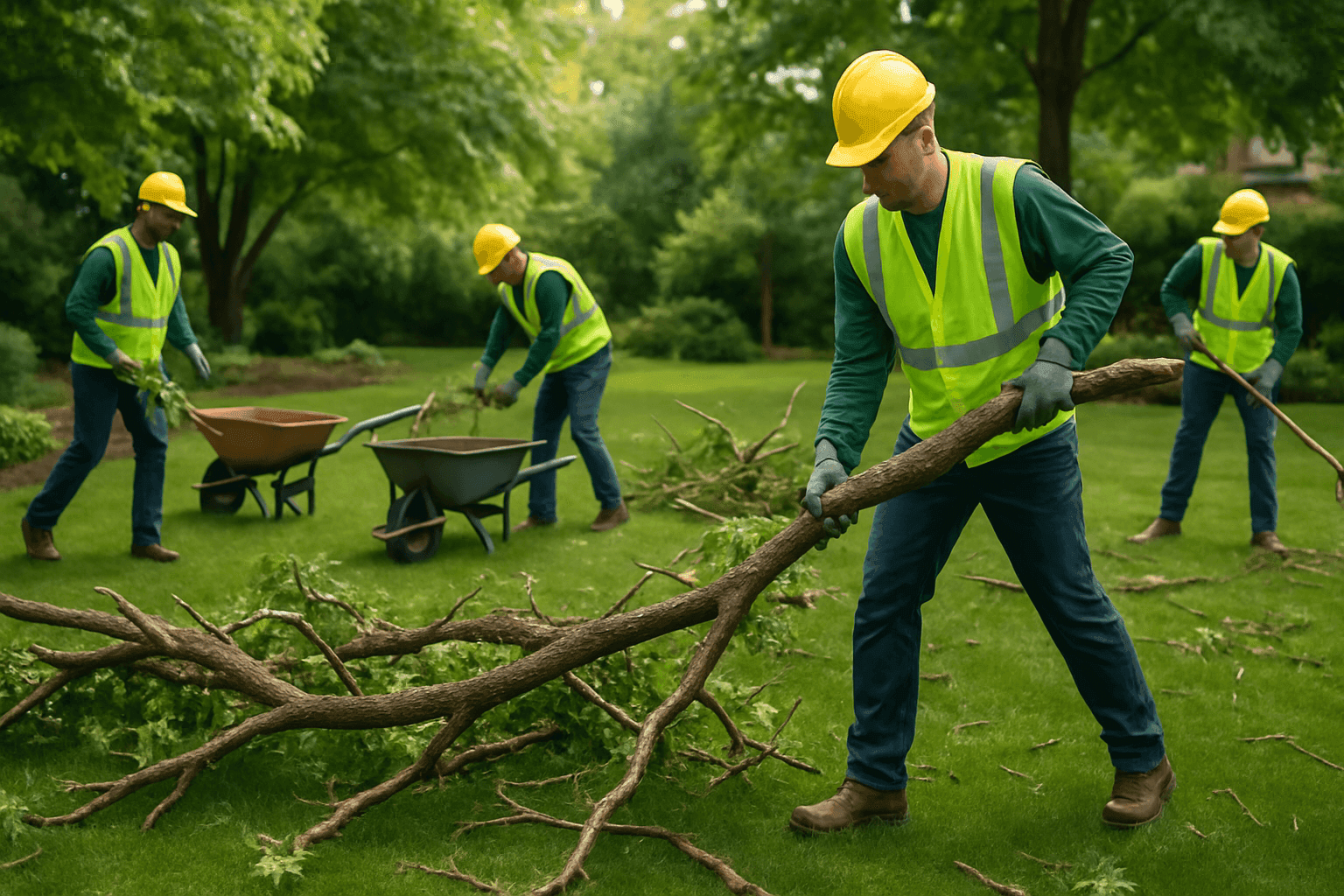
When a storm, blizzard, or flood barrels through your neighborhood, your first thought is safety. But as the skies clear, the reality of a battered landscape sets in fast. Uprooted trees. Scattered debris. Waterlogged lawns. It’s overwhelming—whether you’re caring for a family home or responsible for a commercial property.
At Action Landscape Contractor, we’ve seen it all. Our certified crews move quickly, safely, and by the book to help restore order after the chaos. Here’s a step-by-step guide anyone can use—before, during, or after you call for help.
Assessing the Damage: What to Look For First 🌪️
Take a deep breath. Then, scan your property with sharp eyes. The clock is ticking, especially after major weather events. Here’s what to check:
- Downed branches and trees: Watch for leaning trunks, hanging limbs, or roots poking up from the ground.
- Damaged walkways or patios: Cracked pavers and shifting stones can trip up family or customers.
- Flooded areas: Puddles or soggy patches could signal bigger drainage problems.
- Exposed wires or gas lines: These are emergencies—call your utility provider immediately.
- Uprooted plants and battered flower beds: They may survive if handled soon.
- Erosion or washed-out mulch: Bare soil is ripe for weeds, runoff, and further loss.
It’s not just about looks. Hidden hazards can lurk under leaves, ice, or floodwater.
Safety First: Your Emergency Cleanup Checklist 🦺
Before you grab the rake or call for Walkway Installation near you, protect yourself and others. Safety comes first, always.
- Wear sturdy gloves, boots, and eye protection.
- Never touch downed wires or standing water near electrical boxes.
- Work in teams—don’t lift heavy branches alone.
- Watch for slippery surfaces and unstable ground.
- Keep kids and pets away from damaged areas.
- If you smell gas, leave the area and call the gas company.
Follow local safety codes and recommendations. The Occupational Safety and Health Administration (OSHA) offers detailed guidance on post-storm site safety.
Should You Handle Cleanup Yourself or Call a Pro?
Some jobs are like a quick patch on a scraped knee—grab a broom, and you’re done. Others need major surgery. Here’s how to decide:
- DIY is fine for: Light leaf removal, picking up small sticks, or reseating toppled potted plants.
- Call professionals for: Large trees, heavy debris, standing water, or anything near power lines.
- Commercial properties: Insurance and local codes often require certified crews for storm cleanup.
When in doubt, call. Our teams are trained in safety protocols, use industrial equipment, and know how to spot hidden risks.
What Action Landscape Contractor Does on Arrival 🚚
From the moment we step onto your property, it’s all about safety and restoration.
- Rapid site assessment: We inspect for hazards, structural issues, and water damage.
- Debris removal: Using chainsaws, chippers, and loaders, we clear branches, leaves, and ruined mulch.
- Tree and shrub care: Pruning broken limbs, bracing what can be saved, and safely removing the rest.
- Lawn and garden recovery: Reseeding bald spots, aerating compacted soil, and reshaping garden beds.
- Hardscape repair: Resetting pavers, repairing patios, and checking retaining walls for stability.
- Pest and mold prevention: Applying treatments to stop insects, fungus, and erosion before they start.
We follow ANSI A300 tree care standards and EPA guidelines for water management and pest control.
Preventing More Damage: Mold, Erosion, and Safety
The storm may be over, but threats can linger. Don’t let today’s mess become next month’s headache.
- Dry out flooded areas: Use fans, pumps, or let the sun do the work.
- Spread fresh mulch: This locks in moisture but keeps roots from rotting.
- Repair drainage: Fix gutters, downspouts, and direct water away from foundations.
- Aerate compacted lawns: Heavy equipment or flooding can suffocate roots.
- Check for mold: Especially in mulch, compost, or shady areas. Remove and replace if needed.
- Replant bare soil: Groundcover or sod helps prevent erosion fast.
The U.S. Department of Agriculture (USDA) recommends erosion control as soon as possible after major weather events.
Costs and Timing: What to Expect
Every storm leaves a different mark. Cleanup might take an afternoon—or several days.
- Small residential yards: A few hours to a day for leaf removal and basic cleanup.
- Large commercial sites: Multiple days, especially with tree work or hardscape repairs.
- Costs: Vary widely. Factors include debris volume, tree size, and specialty services like irrigation or pond cleanup.
Keep receipts and photos for insurance. Many policies cover storm cleanup—check your terms.
When It’s an Emergency 🚨
Some situations can’t wait:
- Blocked driveways or entryways
- Trees on roofs or vehicles
- Standing water near electrical systems
- Heavy snow or ice threatening collapse
If you’re unsure, treat it as urgent. Fast action can prevent injuries, property damage, and higher costs.
Frequently Asked Questions (FAQ)
How soon should I start cleanup after a storm or flood?
Within 24 to 48 hours is best, especially for waterlogged areas or downed trees.
What if I find mold or mushrooms in my mulch?
Remove the affected mulch. Mold can spread quickly. Replace with fresh material once the area dries.
Can Action Landscape Contractor help with insurance paperwork?
We provide detailed invoices and photos for your claim but recommend you follow up with your provider directly.
Is DIY snow removal safe after a blizzard?
For light, powdery snow—yes. But avoid heavy or icy drifts, especially near structures or vehicles. Snow removal professionals have the right tools and protocols.
Local and Seasonal Considerations 🏔️
Weather looks different in every zip code. Winter brings more than snow: ice damage, frozen pipes, and slippery walkways. Spring and summer storms can cause flooding, windfall, or sudden erosion.
- In northern climates: Watch for freeze-thaw damage to patios, retaining walls, and irrigation lines.
- In warmer regions: Flooding and high winds can uproot shrubs and damage outdoor kitchens or fire pits.
- Seasonal services: Schedule seasonal cleanups, soil testing, and irrigation checks to stay ahead.
No matter the season, Action Landscape Contractor is ready with rapid response, certified crews, and safety-first protocols. We don’t just restore your landscaping—we help you protect it for the future.
Call Action Landscape Contractor now — or reach us anytime at 877-791-6458 .