Preventing Common Landscape Pests: Effective Strategies for Every Season
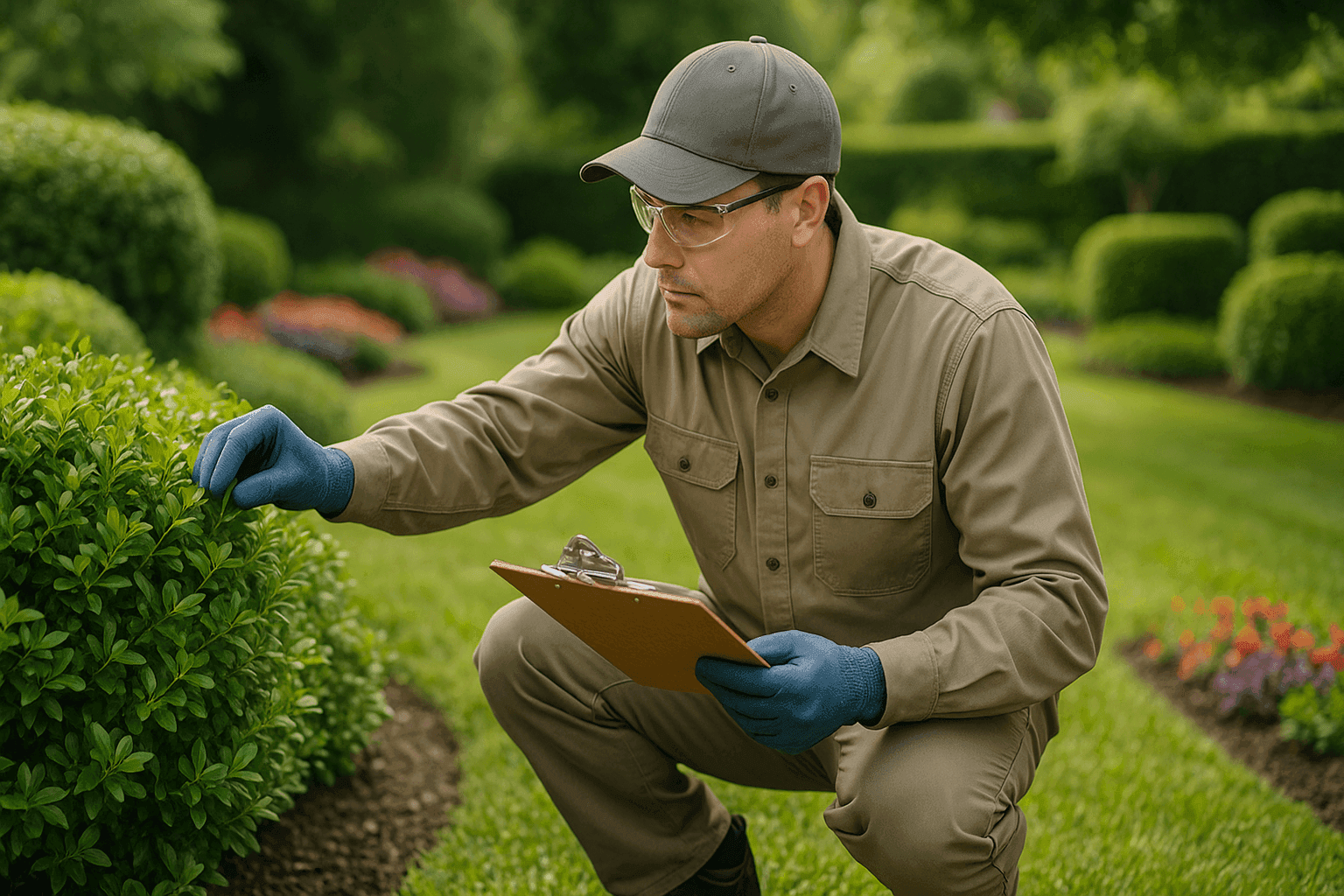
Is something quietly feasting on your garden beds or nibbling away at that lush, green lawn? Pests don’t wait for an invite. They sneak in, turning months of hard landscaping work into a bug buffet if you let them. Whether you manage a backyard oasis or a busy commercial space, a few overlooked critters can spell trouble—and expensive repairs.
At Action Landscape Contractor, we’ve seen pests of every stripe and season. With the right strategies, you can keep your landscape thriving, your walkways safe, and your investment protected—without turning your yard into a chemical warzone.
Identifying Landscape Pest Risks: The Usual Suspects 🐛
Every landscape has its own cast of characters. Some are helpful. Others, not so much. Here are the most common troublemakers:
- Grubs: These beetle larvae love to munch roots, leaving brown patches in your lawn.
- Aphids & Spider Mites: Tiny but mighty, they suck the life from ornamental plants and veggies.
- Chinch Bugs: Small, but they can turn a carpet of grass into a patchwork quilt.
- Scale & Mealybugs: Their waxy shields make them tough to spot on shrubs and trees.
- Moles & Voles: Not technically insects, but their tunneling damages sod, walkways, and irrigation lines.
- Japanese Beetles: They skeletonize leaves, making trees look like lace doilies.
Seasonal Risk Patterns
- Spring: Watch for grubs, aphids, and early caterpillar outbreaks.
- Summer: Chinch bugs, beetles, and spider mites thrive in the heat.
- Fall: Rodents start seeking shelter; fungal pests can surge in leaf piles.
- Winter: Overwintering insects hide in mulch or garden debris.
Early detection is your best friend. Look for yellowing leaves, wilting stems, chewed edges, or mysterious mounds in the turf. Like a detective, the sooner you notice these clues, the easier the fix.
Quick Safety Checklist for Pest Management
Before you reach for any product or tool, pause. Safety isn’t optional—it’s the foundation.
- Always read and follow product labels for pest control treatments.
- Wear gloves, eye protection, and a mask if applying sprays or dusts.
- Keep pets and children away from treated areas until safe.
- Never mix chemicals unless instructions say it’s safe.
- Store all products securely, away from play areas and food prep zones.
- Dispose of containers and leftovers according to local regulations.
- For commercial sites, follow OSHA and EPA guidelines for application and signage.
DIY Pest Control vs. Calling a Pro
Sometimes, a simple fix works. Other times, you need backup.
DIY Works Well For:
- Small aphid or mite infestations (think: a handful of plants).
- Isolated patches of lawn grubs.
- Light weed or pest problems in garden beds.
- Routine inspections and early cleanup.
Call Action Landscape Contractor For:
- Widespread or recurring pest issues.
- Large properties (commercial or multi-family).
- Signs of tree or structural damage.
- Safe, professional use of restricted-use pesticides.
- Pest issues around water features, outdoor kitchens, or play areas.
Think of DIY like using a flyswatter. For bigger problems, you want the right tools—and a trained hand.
What Pros Do On Arrival
When our crew rolls up, we don’t just spray and pray. Here’s what you can expect:
Step 1: Thorough Inspection
- Walk the property, checking lawns, garden beds, walkways, and water features.
- Identify pest species, their life cycle stage, and likely entry points.
Step 2: Integrated Pest Management (IPM)
- Recommend cultural controls first: adjusting irrigation, improving drainage, or moving mulch away from trunks.
- Use physical controls: pruning, removing infested debris, or installing barriers.
- Apply targeted treatments as needed—prioritizing the safest, most effective options for your landscape.
Step 3: Report & Advise
- Share findings and explain the next steps—clearly, and without jargon.
- Offer tips for routine maintenance, inspections, and seasonal adjustments.
We follow professional standards from organizations like the National Association of Landscape Professionals and the Environmental Protection Agency.
Prevention & Maintenance: Stay Ahead of Pests
A little effort year-round keeps big problems at bay. Here’s how to make your landscape less inviting to pests:
Spring
- Rake up debris, dead leaves, and branches before growth starts.
- Inspect for early signs of eggs or larvae under mulch or stones.
- Test soil and fertilize to strengthen plant health.
Summer
- Water early in the day to avoid fungal issues.
- Prune dense shrubs for airflow; pests love hiding in the shade.
- Check for wilting or yellowing—a clue grubs or bugs are feeding below.
Fall
- Remove fallen leaves and fruit promptly.
- Cut back perennials and dispose of diseased material.
- Inspect and repair irrigation lines before winter.
Winter
- Mulch beds lightly to avoid creating pest condos.
- Inspect evergreen plants for overwintering insects.
- Plan for spring maintenance and pest prevention.
Routine Inspections:
- Walk your property every couple of weeks.
- Peek under leaves, around walkways, and near water features.
- Document what you see—photos are helpful if you call in the pros.
Natural vs. Chemical Control Options
There’s more than one way to keep pests in check.
Natural Controls
- Hand-picking: For small infestations, it’s surprisingly effective.
- Beneficial insects: Ladybugs and lacewings eat aphids and mites.
- Neem oil & insecticidal soap: Safe for most plants, less risk for pollinators.
- Barriers: Copper tape, garden fabric, or netting for veggie beds.
Chemical Controls (Use Sparingly)
- Targeted insecticides: Only when necessary, and always label-compliant.
- Herbicides for weeds: Spot-treat, don’t blanket spray.
- Baits or traps: For rodents and some insects.
Key Rule: Never treat unless you know the pest and its life stage. Guesswork can do more harm than good, especially for pollinators and beneficial species.
Costs & Time Factors
Pest control isn’t one-size-fits-all. Here’s what can affect your investment:
- Property size: A small backyard differs from a sprawling commercial lot.
- Severity: Spot treatments cost less than full-property interventions.
- Type of pest: Grubs may need several treatments; rodents require ongoing monitoring.
- Frequency: One-time fixes vs. seasonal or monthly maintenance.
Most DIY efforts take a few hours here and there. Professional services—like Walkway Installation near you or full landscape maintenance—may involve regular visits, especially during peak pest seasons.
When It’s an Emergency
Some pest problems can’t wait:
- Sudden tree die-off or major branch loss.
- Visible swarms or nests near public spaces, entrances, or play areas.
- Rodent activity around kitchens, outdoor dining, or fountains.
- Rapidly spreading lawn damage, especially in high-traffic commercial areas.
If you spot these, don’t delay. Quick action prevents costly repairs and safety hazards.
Frequently Asked Questions
How often should I inspect my landscape for pests?
Every two weeks is ideal, especially during spring and summer. After storms or heavy rains, check for new problems.
Are natural pest controls enough?
Often, yes—if caught early and used consistently. Large infestations or certain pests (like grubs) might require professional intervention.
Is landscape pest control safe for kids and pets?
When applied correctly, yes. Always follow label instructions and keep treated areas off-limits until dry or as directed.
Can pests damage walkways or patios?
Absolutely. Rodents and insects can undermine hardscaping, cause cracks, or damage irrigation lines beneath paths and patios.
Local & Seasonal Considerations
No matter where you are, every yard and commercial property faces unique challenges. Heavy rains, drought, or nearby construction can change pest pressure overnight. Busy commercial sites—especially those with outdoor kitchens, seating, or play areas—need routine, professional inspections and maintenance.
Follow local guidelines for chemical use, especially near water features or storm drains. The Environmental Protection Agency and your state’s Department of Agriculture set important rules. Commercial properties may also have to post notices or limit access during treatments.
The Bottom Line
Pests are part of nature, but they don’t have to take over your landscape. With regular inspections, smart prevention, and safe treatment practices, you can keep your property healthy, beautiful, and safe for everyone who enjoys it.
Call Action Landscape Contractor now — or reach us anytime at 877-791-6458 .