The Ultimate Lawn Care Guide: Year-Round Maintenance Tips for Healthy Turf
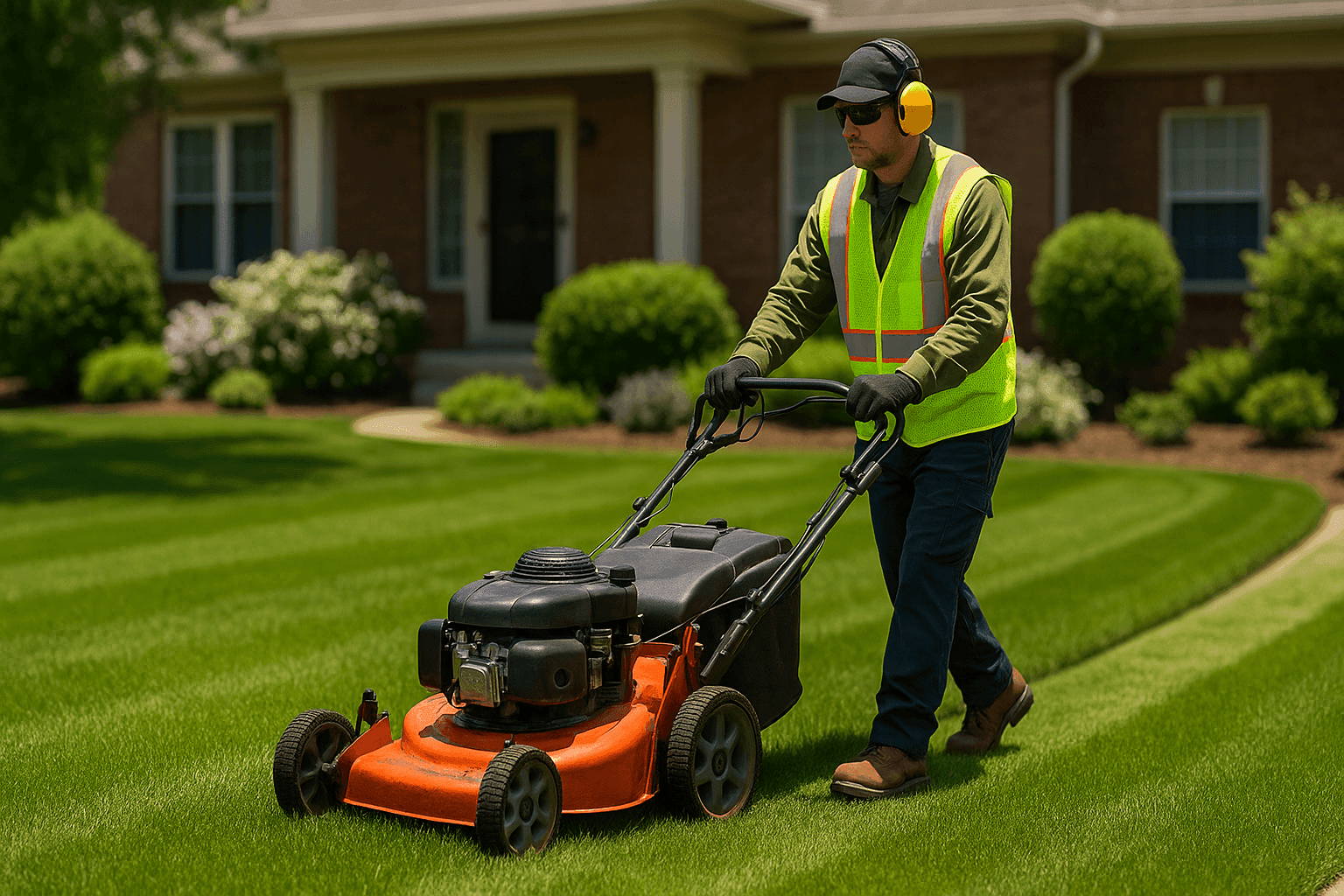
Does your lawn look tired after a long winter, or patchy and brown in late summer? You’re not alone. Homeowners and business managers across all regions face the same struggle: keeping turf green, lush, and resilient—no matter what the calendar says. At Action Landscape Contractor, we see tired lawns and thriving ones every day. The difference? Consistent, simple care, tailored to the season.
A healthy lawn isn’t just a pretty face. It’s a sign of well-managed landscaping, safer outdoor spaces, and better curb appeal—whether you need walkway installation near you or simply want to enjoy your backyard. Let’s dig into how you can nurture your turf all year, with practical tips you can use today or hand off to a trusted crew.
The Problem: Lawn Care Isn’t One-Size-Fits-All
Each season brings new challenges. Spring mud, summer heat, fall leaves, winter ice. Residential yards and commercial properties both demand attention, but with different needs. For businesses, a scruffy lawn can turn away customers. For families, it’s about safety, play, and pride.
So, how do you keep up? By building a simple routine—one that flexes with weather, traffic, and turf type.
Quick Safety Checklist 🛠️
Before you roll up your sleeves or call in Action Landscape Contractor, check these basics:
- Wear gloves, eye protection, and closed-toe shoes when mowing, trimming, or handling chemicals.
- Store fertilizers, weed killers, and tools out of children’s reach.
- Read all labels—especially for pest control and fertilization products.
- Check local codes for watering restrictions, pesticide use, and noise ordinances. (See EPA and local extension offices for guidance.)
- Mark buried utilities before digging for irrigation or walkway installation.
- Power equipment: Inspect for fuel leaks, dull blades, or damaged cords before first use each season.
A few minutes of prep keeps everyone safe and the job running smoothly.
DIY or Call a Pro? Making the Best Choice
Some lawn care tasks are as simple as a walk in the park. Others—like diagnosing strange dead spots or installing irrigation systems—are trickier. Here’s a quick guide:
- DIY-Friendly: Regular mowing, basic watering, light raking, spreading seed, leaf removal, garden bed cleanup, simple pest prevention.
- Better with a Pro: Soil testing, advanced fertilization, irrigation system repairs, heavy weed control, sod installation, tree trimming & pruning, landscape renovation, outdoor lighting, and anything involving power tools or chemicals.
For commercial sites or large properties, professional crews not only work faster—they follow safety protocols, ensure ADA compliance for walkways, and stick to environmental best practices.
What Pros Do On Arrival
When Action Landscape Contractor pulls up, the first step isn’t mowing—it’s assessment. We look at:
- Soil health: Testing pH and nutrients, checking compaction.
- Grass type: Cool-season or warm-season? Each has unique needs.
- Site conditions: Sun, shade, drainage, high-traffic areas.
- Existing landscaping: Beds, walkways, water features, play areas.
- Safety hazards: Exposed roots, trip risks, pest nests, irrigation issues.
Then, we map out a plan—covering everything from walkway installation near you to seasonal cleanups and pest control.
Soil Testing: The Foundation of Healthy Turf
Think of soil as the engine under your lawn’s hood. If it’s off, nothing runs right. Professional soil testing (recommended once a year, ideally in spring or early fall) answers key questions:
- Is your soil acidic, neutral, or alkaline?
- Are essential nutrients (nitrogen, phosphorus, potassium) present?
- Is there too much clay or sand?
DIY kits are available, but professional testing gives you clearer results and recommendations. Adjusting pH or nutrients might mean lime, sulfur, or custom fertilizer blends—never a guessing game.
Mowing Frequency: More Than Just a Haircut
Mowing isn’t just about keeping grass tidy. It’s about encouraging strong roots and crowding out weeds. Here’s how to mow like a pro:
- Spring: Start mowing when grass hits 2.5–3” tall. Never remove more than 1/3 of the blade at once.
- Summer: Raise the mower. Taller grass shades roots and holds moisture.
- Fall: Lower the blade gradually. Shorter grass resists disease as winter approaches.
- Winter: In snowy climates, stop mowing. In warmer regions, mow as needed but keep it higher.
Tip: Keep blades sharp! Dull blades tear, leading to brown tips and disease.
Watering Guidelines: When, How Much, and How Often 💧
Water is life, but too much or too little can spell disaster. Follow these principles:
- Early morning (5–9 AM) is best. Less evaporation, fewer fungal diseases.
- Aim for 1–1.5” of water per week (including rain) for most turf types.
- Deep, infrequent watering beats daily sprinkles. Roots grow deeper and turf grows stronger.
- Check soil moisture by inserting a screwdriver—if it’s hard to push in, time to water.
- Adjust for droughts and storms: During heat waves, water a bit more but avoid runoff. After heavy rain, pause irrigation to prevent fungus.
Automatic irrigation systems? Schedule regular inspections to catch leaks and misdirected spray.
Fertilization Schedules: Feeding Your Lawn for Growth
Fertilizer is fuel. Too little, grass starves. Too much, and you burn roots—or pollute waterways. Here’s a simple approach:
- Cool-season grasses: Fertilize in early spring and again in fall.
- Warm-season grasses: Feed in late spring through summer.
- Use slow-release products for steady nutrition.
- Sweep up excess fertilizer from hardscapes to prevent runoff.
Always follow label instructions and local guidelines (check with your state’s extension service for timing and rates).
Weed and Pest Prevention: Outsmart the Invaders
Weeds are like uninvited guests at a picnic. Once they show up, they spread fast. Here’s how to keep them at bay:
- Mulch garden beds to block sunlight from weed seeds.
- Mow high—taller grass shades out weeds.
- Hand-pull or spot-treat small outbreaks before they spread.
- Apply pre-emergent herbicides in early spring, if needed (apply carefully and only as directed).
- For pests: Watch for chewed blades, brown circles, or tunnels. Use targeted treatments—never blanket sprays.
Integrated Pest Management (IPM) is recommended by the USDA and EPA—focusing on prevention, monitoring, and minimal chemical use.
Troubleshooting Common Turf Issues
Lawns talk—if you know what to listen for. Here’s a quick guide:
- Brown spots: Could be drought, pet urine, or fungal disease.
- Thin, patchy grass: Compacted soil? Overseed in fall or spring.
- Yellowing: Nutrient deficiency or overwatering.
- Moss or mushrooms: Poor drainage or too much shade.
Address problems early and adjust your routine.
Prevention & Maintenance: The Year-Round Approach 🌱
Here’s how to keep turf thriving, one season at a time:
Spring
- Soil test.
- Aerate if compacted.
- Apply pre-emergent weed control.
- Fertilize (if cool-season grass).
- Begin regular mowing and watering.
Summer
- Mow high, water deeply.
- Check irrigation systems.
- Spot-treat for weeds and pests.
- Mulch garden beds.
- Monitor for drought stress.
Fall
- Fertilize again (cool-season grasses).
- Overseed thin spots.
- Rake leaves, clear debris.
- Lower mowing height gradually.
- Prepare irrigation for winter.
Winter
- Limit foot traffic on frozen turf.
- Clear snow with care (avoid salt burns).
- Inspect for rodent tunnels or snow mold.
- Plan for spring renovations.
Regular attention is like routine oil changes for your car—skipping them leads to bigger problems down the road.
Costs & Time Factors
Not all lawn care costs the same. Here’s what to consider:
- DIY: Your time, equipment, and supplies. Expect several hours monthly for mowing, watering, and basic maintenance.
- Professional services: Fees vary by property size, services needed, and frequency. One-time jobs (like walkway installation or full garden redesign) differ from ongoing maintenance.
- Commercial properties: Larger scale, often requiring weekly or bi-weekly visits, plus specialized equipment.
Investing in routine care costs less than fixing a neglected lawn.
When It’s an Emergency
Some situations can’t wait:
- Broken irrigation main or flooding
- Major pest outbreak (grubs, chinch bugs, or fire ants)
- Downed trees or branches after storms
- Soggy, unsafe walkways or standing water
If you see these, call a professional right away. Safety and turf health are at risk.
FAQ: Lawn Care Questions Answered
Q: How often should I mow?
A: Usually once a week during peak growth, less during hot or dry spells.
Q: Is it okay to leave grass clippings?
A: Yes! Clippings return nutrients to the soil—unless they’re clumping or wet.
Q: How do I know if I’m overwatering?
A: Soggy soil, mushrooms, or yellowing grass are signs. Let the soil dry a bit before watering again.
Q: What’s the best time to fertilize?
A: Early spring and fall for cool-season grasses, late spring through summer for warm-season.
Local & Seasonal Considerations
No two lawns are alike. Shade, sun, foot traffic, and storm damage all play a role. For businesses, high-traffic areas may need more frequent care or tougher turf types. In drought-prone regions, drought-resistant grasses and efficient irrigation save water and money.
Storms can wash away soil or damage walkways. Seasonal cleanups, leaf removal, and timely repairs keep everything safe, beautiful, and functional.
Your Next Step: Healthy Turf Awaits
Healthy lawns don’t happen by accident. They’re built with smart routines, good tools, and sometimes, a little help from professionals who care about safety and quality. Whether you need walkway installation near you, pest control, or simply want greener grass, Action Landscape Contractor is here for you.
Call Action Landscape Contractor now — or reach us anytime at 877-791-6458 .