Walkway Installation 101: Materials, Costs, and What to Expect
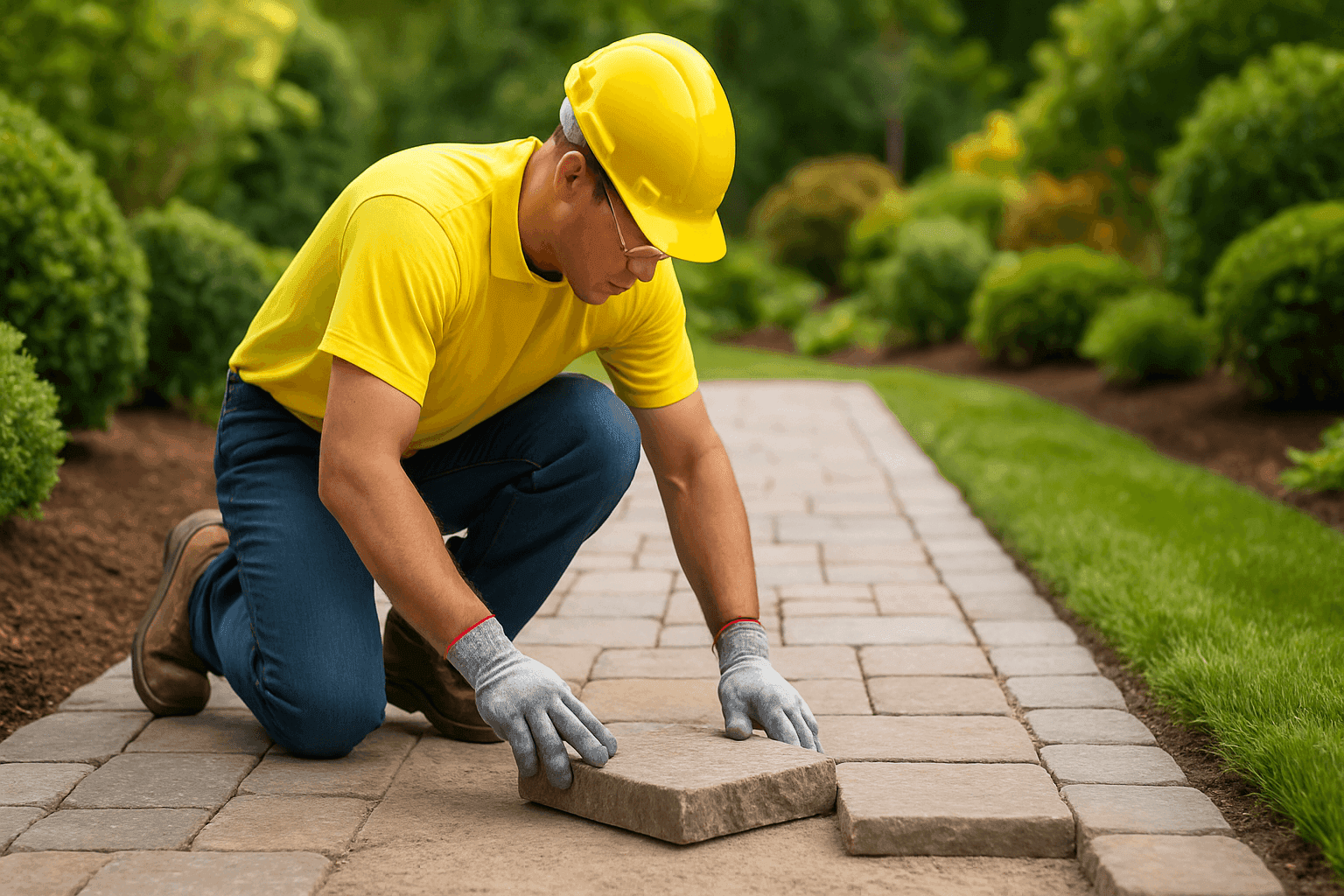
Does your entryway feel more like an obstacle course than a warm welcome? Maybe you’re dreaming of a backyard path that leads guests through lush gardens, or your business needs a durable walkway that holds up to heavy use. Either way, a professionally installed walkway is more than a pretty accent—it’s a solid investment in safety, style, and property value.
At Action Landscape Contractor, we know the choices can be overwhelming. Let’s clear the path. Here’s what every home or business owner should know before breaking ground on walkway installation near you.
Why Walkways Matter for Your Property
A walkway isn’t just a strip of stone or concrete. It’s the red carpet to your front door. It guides foot traffic, protects lawns, and ties your landscape together. For commercial properties, it’s often the first thing customers notice—a handshake made in stone.
But more than looks are at stake. A poorly built path can trip you up. Uneven surfaces, poor drainage, or the wrong materials mean headaches down the road. Whether it’s kids running to the backyard or clients striding into your lobby, safety and function come first.
Safety Checklist Before Installation 🦺
Before any shovel hits the ground, these safety concerns deserve your attention:
- Local Building Codes: Check your city or county’s walkway requirements. The International Residential Code (IRC) and American with Disabilities Act (ADA) offer important guidelines for slope, width, and accessibility.
- Underground Utilities: Call 811 before you dig. Gas, water, and electrical lines can run just under the soil.
- Drainage: Make sure your walkway won’t channel water toward foundations, basements, or neighboring properties.
- Slip Resistance: Choose textures and finishes that prevent slips, especially in rain or snow.
- Edge Protection: Include curbs or plant borders to keep mulch, gravel, and soil from spilling onto the path.
Comparing Walkway Materials: Durability & Aesthetics
Choosing the right material is like picking a pair of shoes—you want the right fit for comfort, weather, and style.
Pavers
- Looks: Versatile, classic, and available in many shapes and colors.
- Durability: High. Individual pavers can be replaced if damaged.
- Maintenance: Occasional weed control and leveling.
Natural Stone
- Looks: Timeless, organic, and blends with garden settings.
- Durability: Excellent, but depends on the type of stone (bluestone, flagstone, slate).
- Maintenance: Occasional resetting; may require sealing.
Concrete
- Looks: Modern, smooth, and customizable with stains or textures.
- Durability: Strong, but can crack in freeze/thaw climates.
- Maintenance: Minimal. Cracks can be patched but may show over time.
Gravel or Mulch
- Looks: Informal and rustic.
- Durability: Medium. Needs periodic raking and topping up.
- Maintenance: Highest. Prone to shifting and weed growth.
Tip: For high-traffic or commercial spaces, concrete or interlocking pavers deliver long life with less maintenance.
Budget Breakdown: What Drives Walkway Installation Costs 💸
How much will your new walkway cost? It depends. Here’s what goes into the total:
- Materials: Pavers, stone, or concrete—each has a different price range.
- Site Prep: Grading, removing old walkways, and compacting base gravel.
- Labor: Professional crews charge for excavation, forming, and finishing.
- Design Complexity: Curves, patterns, and lighting add to the bill.
- Access: Tight spaces or steep slopes may require special equipment.
Typical range: Residential walkways fall between modest and major investments. Commercial projects, due to longer runs and code requirements, trend higher.
Savings tip: Simple designs and locally sourced materials often stretch your budget further.
What to Expect During Professional Installation
Wondering what the process looks like? Here’s a step-by-step walk-through:
- Consultation & Design: Your installer assesses the site, discusses materials, and creates a plan.
- Marking & Excavation: The path is marked, and soil or old materials are removed.
- Base Preparation: Layers of gravel are compacted for drainage and stability.
- Installation: Pavers, stone, or concrete are set in place, leveled, and finished.
- Edging & Clean-Up: Edging is installed to hold materials in place. The area is cleaned and restored.
Timeline: Most residential walkways take 2–5 days, depending on size and weather. Commercial projects can require more time due to scale and complexity.
Possible disruptions: Expect some machinery noise, dust, and temporary access restrictions. Professional crews minimize mess and keep you informed.
DIY vs. Hiring a Pro
Rolling up your sleeves? Some simple gravel paths can be weekend DIY projects. But anything involving grading, concrete, or code compliance is best left to pros.
When to DIY:
- Small, flat garden paths with mulch or gravel.
- No heavy foot traffic or drainage concerns.
When to call Action Landscape Contractor:
- Large, curved, or sloped walkways.
- Paver, stone, or concrete installations.
- Commercial sites with ADA or code requirements.
- When you want a finish that lasts.
Remember, a walkway is only as good as its base. Skipping steps leads to settling, cracking, or weeds taking over.
Prevention & Maintenance: Keeping Walkways Beautiful
A well-built walkway needs little upkeep, but don’t neglect these basics:
- Sweep debris: Leaves and dirt can stain or make paths slippery.
- Inspect for damage: Replace broken pavers or stones promptly.
- Weed control: Apply weed barrier fabric or spot treat as needed.
- Power washing: Annual cleaning keeps concrete and stone looking fresh.
- Sealing: Certain stones or pavers benefit from periodic sealing.
Pro tip: For commercial properties, schedule routine inspections—especially after harsh winters or storms.
Costs & Time Factors: What Affects Your Bottom Line
Here’s what can make your walkway more or less expensive:
- Material choice: Natural stone is often pricier than concrete or basic pavers.
- Site conditions: Rocky, sloped, or hard-to-access yards may require extra prep.
- Length & width: The bigger the path, the higher the cost.
- Design extras: Curves, borders, lighting, and integrated seating increase both labor and material costs.
- Season: Wet or frozen ground slows down work and can add to costs.
Timeframe: Most residential projects wrap up within a week. For businesses, allow extra time for permitting and code inspections.
Emergencies: When Walkway Repairs Can’t Wait 🚧
Sometimes, walkway issues are more than cosmetic:
- Trip hazards: Raised or sunken pavers, cracked concrete, or loose stones.
- Drainage fails: Water pooling or flooding near foundations.
- Winter damage: Heaving or ice buildup.
When safety’s at risk, prompt repairs protect both people and property. For commercial clients, addressing hazards quickly may be required by law or insurance.
FAQ: Common Walkway Installation Questions
How wide should my walkway be?
Residential paths: 3–4 feet for a comfortable single-person walk. Commercial or public spaces: 5 feet or wider for accessibility and passing.
Can I mix materials?
Yes. Combining pavers and stone, or concrete with brick borders, adds visual interest and can help manage costs.
Are permits required?
Often yes, especially for commercial properties or if the walkway affects drainage. Always check with your local building department.
Will heavy equipment damage my lawn?
Professional crews use protective mats and careful equipment placement to minimize lawn impact. Some minor disturbance is normal but should be restored after installation.
Local and Seasonal Considerations
- Climate matters: Freeze/thaw cycles can crack concrete. Choose flexible pavers or frost-resistant stone for cold regions.
- Soil type: Sandy or clay soils need special base prep for stability.
- Seasonal timing: Late spring through early fall is ideal for most installations.
- Snow removal: In snow-prone areas, opt for materials and layouts that are easy to clear.
The Value of Professional Walkway Installation
A walkway is more than a shortcut—it’s an invitation, a safeguard, and a statement. With the right planning, materials, and professional expertise, you get a path that stands strong for years. Whether you’re enhancing a home garden or upgrading a busy business entrance, Action Landscape Contractor delivers safe, attractive solutions for walkway installation near you.
Call Action Landscape Contractor now — or reach us anytime at 877-791-6458 .