How to Design a Low-Maintenance Garden Bed: Pro Tips for Lasting Beauty
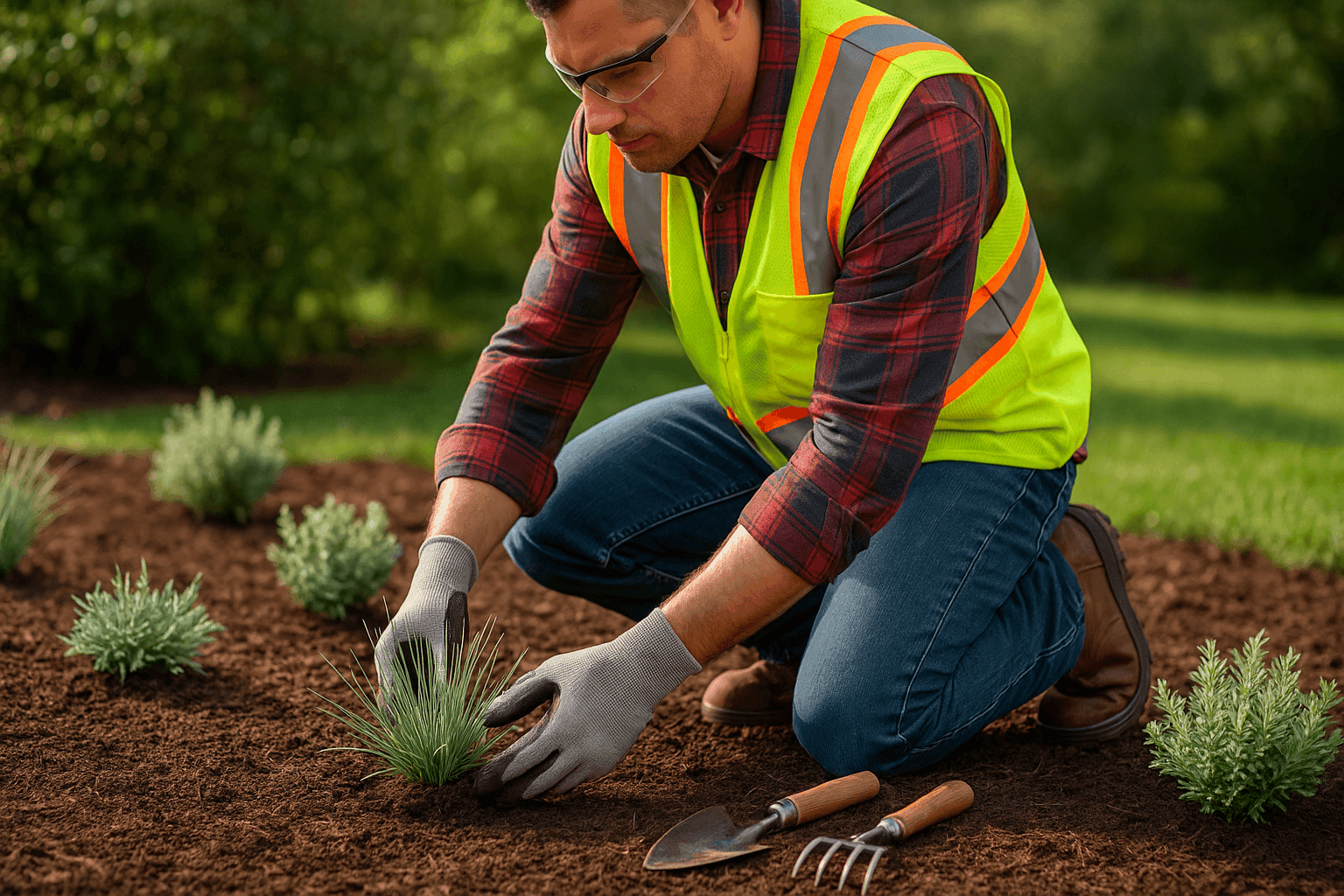
Designing a garden bed that stays beautiful—without eating up every weekend—might sound like a dream. But with the right approach, it’s within reach for any homeowner or business. Whether you’re tired of endless weeding or you want vibrant curb appeal that doesn’t require constant care, a low-maintenance garden is your ticket to lasting beauty and more free time.
At Action Landscape Contractor, we know landscaping isn’t just about looks; it’s about creating outdoor spaces that work for real life. Let’s dig into what makes a garden bed truly low-maintenance—step by step.
Why Low-Maintenance Garden Beds Matter
Picture this: You step outside and see neat, thriving plants, crisp walkways, and not a weed in sight. Your garden bed stands strong against heat, cold, and drought, all while needing less from you. That’s smart landscaping.
Low-maintenance garden beds are a win for both busy families and property managers. They mean fewer chores, less money spent on supplies, and more time to actually enjoy your landscape. And, when done right, they can even help attract pollinators, cut water bills, and reduce pesticide use.
Quick Safety Checklist 🦺
Before you grab your shovel or call for walkway installation near you, take a minute for safety:
- Call 811 before you dig: This free service marks underground utilities.
- Wear gloves and sturdy shoes: Protect your hands and feet from sharp tools or debris.
- Check for ticks and pests: Especially under shrubs, leaf piles, or mulch.
- Lift carefully: Wet soil and sod are heavier than they look—use your legs, not your back.
- Mind power tools: Always follow the manufacturer’s directions for trimmers, edgers, or tillers.
These steps may seem small, but they keep your project on track and everyone safe.
DIY or Call a Pro?
Some folks love spending a Saturday digging, planting, and spreading mulch. Others want results without the sweat. Here’s how to decide which path fits you:
DIY is for you if:
- You enjoy hands-on yard work.
- The area is small or easy to access.
- You already have basic landscaping tools.
Consider a pro if:
- The garden bed is large or on a slope (think erosion and drainage issues).
- You want irrigation, retaining walls, or walkway installation near you—all at once.
- You’re short on time, or the design involves tricky plants or water features.
Professional crews bring knowledge, equipment, and speed to the job. They also follow safety codes and sustainable practices, so your project stands the test of time.
Step 1: Picking the Right Spot
Not all soil is created equal. Sunlight shifts with the seasons. And water has a mind of its own. Here’s how to choose the best site for your new bed:
- Watch the sun: Most flowers and shrubs need at least 6 hours of direct light. Shade-loving plants are happier under trees or on north-facing walls.
- Check drainage: After a rain, see where puddles form. Avoid spots that stay soggy—plants’ roots need air.
- Think about views: Place beds where you’ll enjoy them from inside and outside.
- Access matters: Leave space for lawn care, walkway installation, or play areas. Don’t block paths or doors.
Pro tip: Consider local codes for setbacks or sightlines, especially for commercial landscaping. The American Society of Landscape Architects (ASLA) provides helpful guidelines.
Step 2: Soil Preparation—The Foundation of Success
Great gardens start from the ground up. Healthy soil means fewer weeds, happier plants, and less need for fertilizers.
Testing and Amending
- Test your soil: A simple soil test (available at garden centers or through your county extension office) reveals pH, nutrients, and texture.
- Amend as needed: Add compost to sandy or clay-heavy soils. For poor drainage, mix in organic matter and consider raised beds.
- Remove weeds and grass: Use a flat shovel, or cover the area with cardboard and mulch for a few weeks to smother unwanted growth.
Healthy soil is like a well-tuned engine—it makes everything run smoother.
Step 3: Choosing Low-Maintenance Plants 🌱
Not all plants are created equal. The secret? Pick varieties that thrive in your area with minimal fuss.
Perennials: The Backbone
- Come back year after year.
- Need less replanting.
- Examples: Daylilies, hostas, sedum, black-eyed Susan.
Natives: Nature’s Champions
- Adapted to local weather and soil.
- Support pollinators and wildlife.
- Require less water and fertilizer.
- Check with your state’s native plant society for ideas.
Drought-Tolerant Species
- Perfect for busy schedules or water restrictions.
- Examples: Lavender, yarrow, Russian sage, ornamental grasses.
Smart Spacing
- Give each plant room to grow—crowding invites disease and weeds.
- Group by water needs for efficient irrigation.
Bonus: Mix textures and heights for year-round interest. Evergreens, grasses, and flowering perennials make beds pop in every season.
Step 4: Mulching—Your Secret Weapon
Mulch is more than a pretty topping. It’s a shield against weeds, drought, and temperature swings.
- Organic mulches: Shredded bark, wood chips, or pine straw slowly add nutrients.
- Depth matters: 2–3 inches is ideal. Too much can smother roots.
- Keep mulch off stems: Leave a gap around plant bases to prevent rot.
Mulch also keeps soil moist, so you’ll water less—saving time and money.
Step 5: Smart Irrigation
A hose and a prayer only go so far. Low-maintenance beds do best with consistent, efficient watering.
Options to Consider
- Drip irrigation: Delivers water right to the roots, reducing waste.
- Soaker hoses: Simple to install and perfect for winding through garden beds.
- Rain sensors: Prevent overwatering and save on bills.
Install timers to water at dawn, when evaporation is lowest. The Environmental Protection Agency’s WaterSense program offers useful tips for efficient irrigation.
Step 6: Weed Barriers and Edging
Nothing breaks the low-maintenance spell like a fresh crop of weeds. Here’s how to stop them before they start:
- Landscape fabric: Place under mulch to block weeds but allow water through.
- Natural barriers: Thick layers of newspaper or cardboard work in a pinch.
- Edging: Metal, stone, or recycled plastic edging keeps mulch in and grass out.
Curved edges are easier to mow around and soften the look of hardscaping.
Seasonal Cleanup & Pest Prevention 🍂
Even the easiest garden beds need a checkup now and then. But a little planning cuts your work way down.
- Spring: Remove old mulch, trim dead growth, check for winter damage.
- Summer: Watch for pests—promptly remove any diseased leaves. Inspect irrigation.
- Fall: Clear out fallen leaves (which can harbor pests), refresh mulch, cut back perennials as needed.
- Winter: In snowy areas, protect delicate plants with extra mulch. Use safe de-icing products on nearby walkways.
For pest control, attract birds and beneficial insects. Avoid broad-spectrum pesticides—spot treatments work better and are safer for bees.
The University of California Integrated Pest Management Program is a great resource for safe, science-backed pest strategies.
Sustainable Practices for Long-Lasting Landscapes
Low-maintenance doesn’t mean cutting corners. It’s about working with nature, not against it.
- Compost yard waste: Feeds your soil and reduces landfill.
- Choose slow-release fertilizers: These nourish plants over time and protect waterways.
- Group plants by need: Saves water and reduces disease.
- Install rain gardens or permeable walkways: Manage runoff and boost curb appeal.
These choices keep your landscape healthy and resilient for years to come.
Practical Design Elements That Make Life Easier
Designing for easy care starts on paper. Before you break ground:
- Simple shapes: Rectangles and gentle curves are easier to edge and mow around.
- Paths and access: Leave room for garden bed maintenance, leaf removal, or walkway installation near you.
- Permanent markers: Use rocks, stakes, or labels to ID perennials while dormant.
- Hardscaping: Patios, fire pits, and seating areas cut down on turf to mow.
Good planning now means less fixing later.
Typical Costs & Time Factors
Every project is unique, but here’s what to expect:
- DIY: Materials like plants, mulch, and soil amendments add up. Expect to spend several weekends, especially for larger beds.
- Hiring a pro: You’ll pay for experience, design, and installation—but the timeline shrinks from weeks to days.
- Maintenance: Low-maintenance beds require less time each month—just a seasonal cleanup and check-in.
Factor in extras like irrigation, walkway installation, or outdoor lighting for a complete transformation.
When It’s an Emergency
Sometimes, garden beds need fast attention:
- Flooding or standing water: Act quickly to prevent root rot.
- Large pest outbreaks: Some infestations (like Japanese beetles) spread fast—address within days.
- Sudden plant death: Could signal soil issues or disease—professional soil testing can help.
Don’t hesitate to call for help. Quick action saves plants and money in the long run.
Frequently Asked Questions
How often should I refresh mulch in my garden bed?
Once a year is usually enough. Check in spring for thin spots or fading color.
Can I mix perennials and shrubs in the same bed?
Absolutely. Just make sure they have compatible water, sun, and soil needs.
What’s the best time to install a new garden bed?
Early spring or fall. Cooler temps and steady rain help roots get established.
Will low-maintenance beds still look good all year?
Yes! By mixing evergreens, grasses, and seasonal blooms, you’ll have interest every month.
Local & Seasonal Considerations 🌦️
Weather makes every landscape unique. Think about these local factors:
- Winter snow? Choose salt-tolerant edging and hardy plants.
- Hot summers? Drought-tolerant species shine and need less water.
- Heavy rainfall? Elevate beds and use well-draining soil.
- Wildlife: In deer-prone areas, select resistant plants like lavender or boxwood.
Check with your local cooperative extension service for region-specific advice and code compliance.
Building a low-maintenance garden bed is like laying the foundation for a house: plan it right, and you reap the rewards for years. Ready to reclaim your weekends and boost your curb appeal?
Call Action Landscape Contractor now — or reach us anytime at 877-791-6458 .